
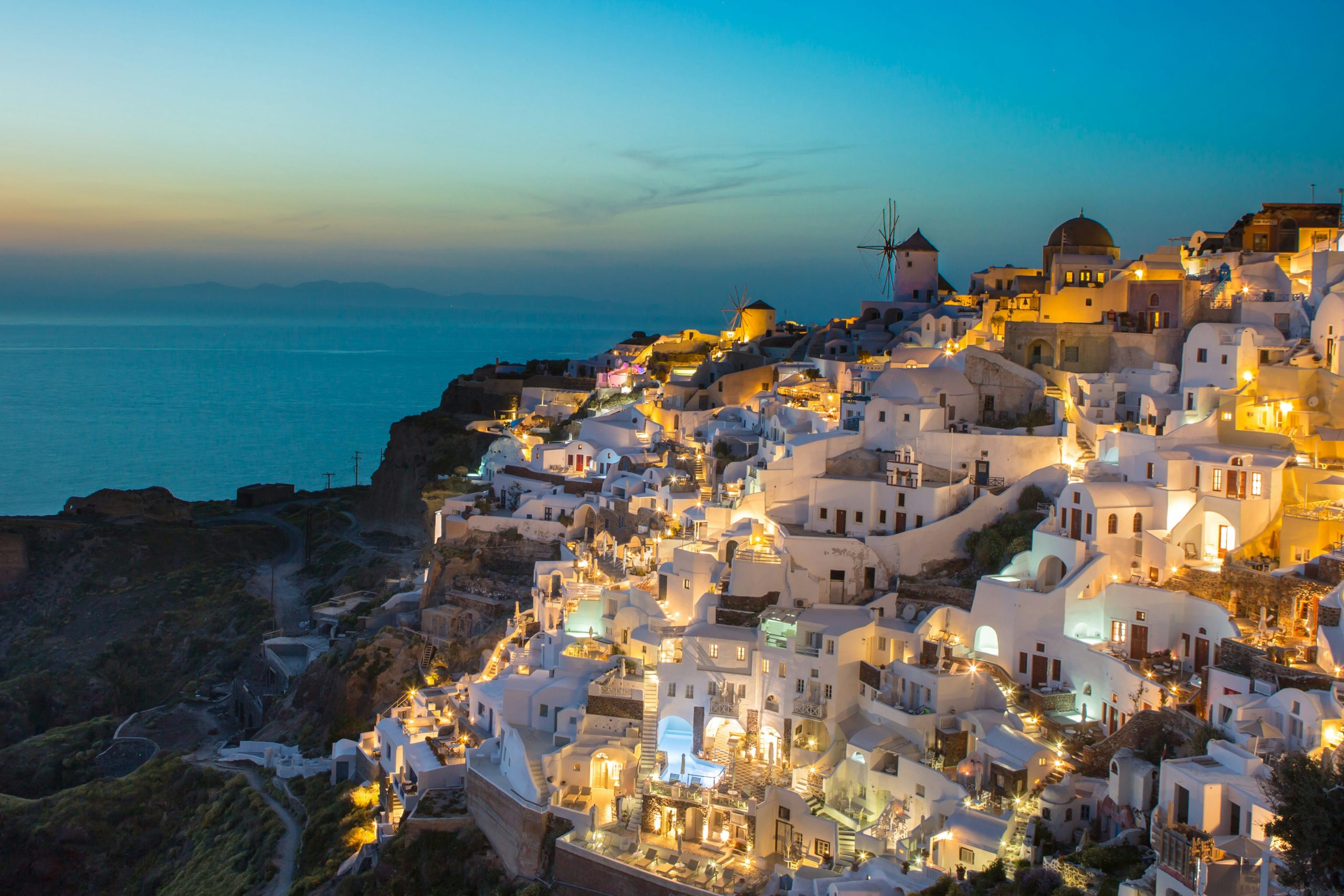
There’s something magical about Santorini! Santorini is one of the most famous destinations in the world, known for its stunning sunsets, whitewashed buildings, and deep blue waters. Located in the heart of the Aegean Sea, this Greek island offers a perfect blend of natural beauty, rich history, culture and vibrant nightlife. Whether it’s your first time visiting or you’re returning to see more, this guide will help you make the most of your Santorini adventure.
🌋 Beyond the Blue Domes
Santorini's beauty is rooted in its explosive past. To truly understand the island, explore these cultural connections:
- The Atlantis Connection: Many scholars link the volcanic destruction of Thera to the legend of Atlantis.
- Ancient Akrotiri: Before you visit the ruins, brush up on the Minoan civilization that once thrived here.
- Modern Life: Learn how locals maintain traditions amidst global tourism in our Greek culture.
Going to Greece is not just the fulfillment of a dream vacation. Once you visit you'll realize that you belong there. It's like going back home.
Best Time to Visit Santorini
Santorini’s charm is timeless, but the best time to visit really depends on what kind of experience you’re seeking.
Spring (April – June) is arguably the ideal time to visit Santorini. The weather is warm but not too hot, and the island is lush with flowers and greenery. The crowds are still manageable, so you can explore popular spots like Oia or the caldera without feeling overwhelmed. It’s the perfect balance of pleasant weather and fewer tourists.
Summer (July- August) brings the peak of Santorini’s tourism season. The island is bustling with visitors, cruise ships, and the temperatures can soar above 30°C (86°F), especially in July and August. While the energy and nightlife are at their peak, this is also the time when prices tend to rise, and the beaches and towns become crowded. If you’re someone who enjoys a lively atmosphere and doesn’t mind the crowds, summer is the season for you.
Fall (September – October) is another excellent time to visit. The weather remains warm and pleasant, and the summer crowds begin to thin out. This is a fantastic time for wine lovers as the island’s vineyards are in full harvest season, and many local wineries offer tours and tastings.
Winter (November – March) is off-season in Santorini, and while many hotels and restaurants close, those who enjoy solitude and lower prices may find it an intriguing option. The island is peaceful, the views are just as stunning, and the weather is mild, though not warm enough for beach activities. It’s a quieter, more reflective time to explore the cultural side of Santorini.

Entry Requirements
As part of Greece and the European Union, Santorini follows the country’s standard entry requirements. For most international travellers, getting to Santorini is simple.
EU/EEA Citizens: You can enter Santorini with just a valid passport or national ID.
U.S., Canada, U.K., and Australia Travellers: No visa is required for stays up to 90 days within a 180-day period. Ensure your passport is valid for at least three months beyond your planned departure date.
Non-EU Citizens: Travellers from countries outside the Schengen Area will need a passport and may be subject to visa requirements. Always check the latest regulations based on your nationality.
Flights to Santorini usually arrive at the island’s main airport, Santorini (Thira) International Airport (JTR), which has direct flights from Athens and other European cities. Alternatively, ferries from Athens or nearby islands also offer a scenic arrival.
Santorini: Budget tips
Santorini is often considered a luxurious destination, but with a bit of planning, you can enjoy the island on any budget.
Accommodation:
Accommodation in Santorini can be pricey, especially in famous towns like Oia and Fira, where luxury hotels with caldera views often dominate. To save money, consider staying in less touristy towns like Pyrgos or Karterados. These areas offer more affordable options and still provide easy access to the island’s main attractions. Saying this, if you can afford accommodation with a view in Oia or Fira (or Firostefani) absolutely go for it! It’s an experience like no other.
Dining:
While Santorini offers fine dining and world-class seafood, you can still enjoy great food without breaking the bank. Look for local tavernas in quieter villages, where you can savour traditional Greek dishes like moussaka, tzatziki, and souvlaki at reasonable prices. Avoid dining directly on the caldera, where prices tend to be inflated for the view. Again, if you can afford the prices don’t miss out on a nice dinner with view of the caldera. It’s an experience like no other, but know that you have options for more affordable eating elsewhere on the island.
Transportation:
Renting a car or scooter is a great way to explore Santorini on a budget, especially if you’re traveling in a group or want to visit quieter spots. Public buses are also affordable and connect key towns like Fira, Oia, and Kamari, but they can get crowded during peak season. Taxis are available but can be expensive. Check with your hotel or room rental. Some of them offer free transportation from and to the port or airport.
Free Attractions:
Santorini is a paradise for scenic views, and many of the best experiences like watching the sunset in Oia or hiking from Fira to Oia, are completely free. The island’s beaches, such as Kamari and Perissa, are also free to visit and perfect for a relaxing day by the water.
Book Early:
To get the best deals on flights and accommodations, it’s advisable to book in advance, especially during peak season. The earlier you plan, the more you can save.
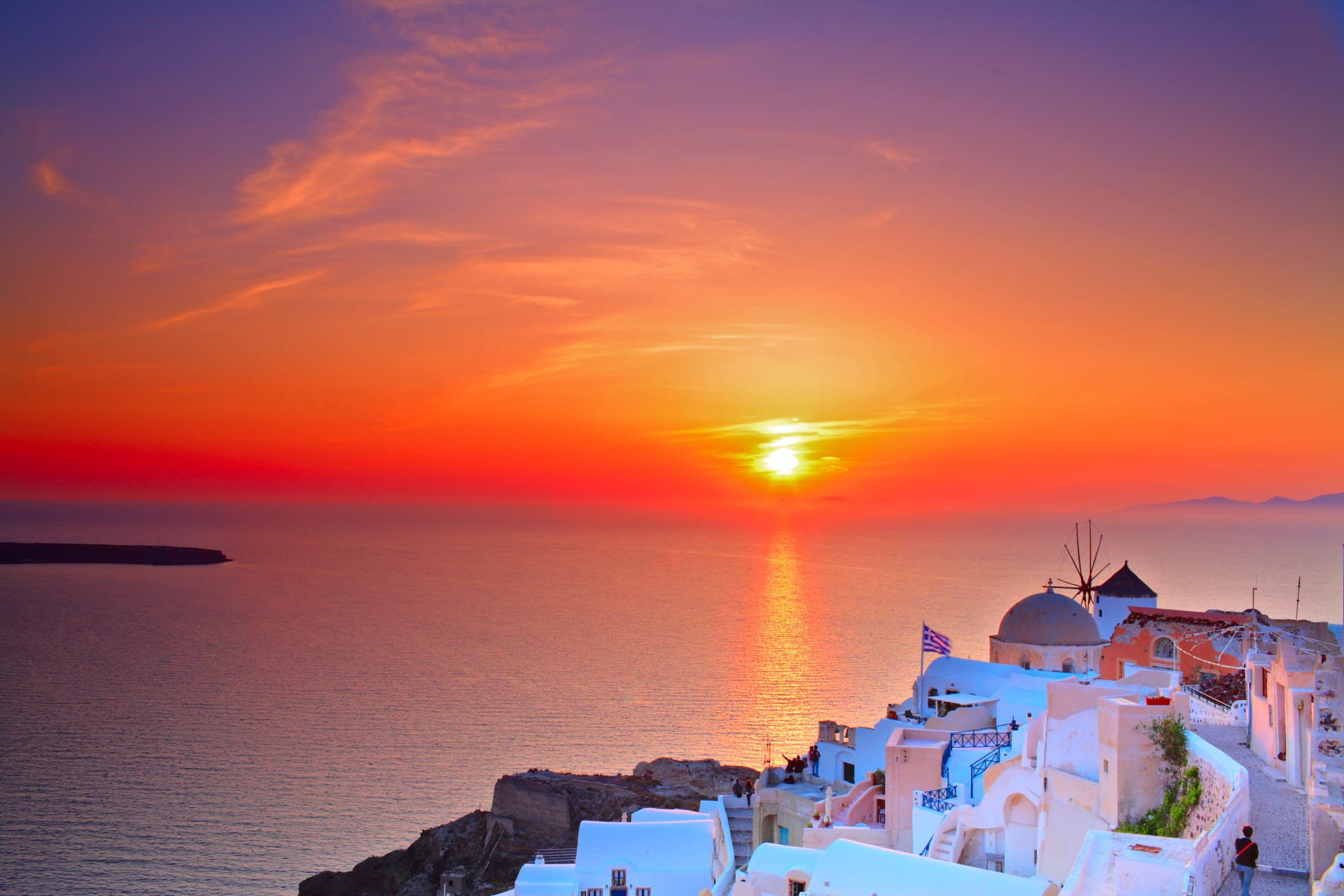
Santorini: a photographer’s dream
Oia village, is one of the most photographed places in Santorini, home to the famous and iconic Santorini sunset.
Tip: Get there early to avoid the crowds and secure the perfect spot for that classic sunset shot!
Fira Town offer fantastic views of the caldera and the island’s cliffs. This is where you’ll take photos of the famous blue-domed churches of Santorini, some of the most iconic symbols of the island.
Tip: Try capturing Fira in the early morning when the light is soft and the streets are less crowded.
Imerovigli Village. If you’re looking for the most scenic spot for panoramic views of the island, head to Imerovigli, a charming village that sits on the highest point of the caldera.
Tip: Visit Skaros Rock for a more dramatic shot, with the caldera and island in the distance.
Amoudi Bay is a small fishing village that sits at the base of Oia. It offers a more rustic, authentic side of Santorini with the colorful boats lining the water and dramatic cliffs towering overhead.
Tip: Capture the evening light here, as the sunset over the bay offers stunning reflections on the water and the cliffs.
Transportation options to and around Santorini
Getting to Santorini is relatively easy, and once you’re there, you have several transportation options to help you explore the island.
Flights to Santorini
Santorini’s main airport, Santorini (Thira) International Airport (JTR), is well-connected to Athens, as well as major European cities like London, Rome, and Paris. Direct flights are available from several international airports during peak season (April – October), and flights from Athens take just about 45 minutes. If you’re flying into Athens first, it’s best to book your flight to Santorini ahead of time to get the best rates.
Ferries to Santorini
Ferries are a popular and scenic way to get to Santorini. Ferries depart regularly – at least 2 or 3 times per day during the summer months – from Piraeus Port in Athens and take between 5 to 8 hours, depending on the type of ferry (high-speed or standard). If you’re island-hopping, ferries are a great way to travel between Santorini and nearby islands like Mykonos, Naxos, and Paros.
Getting Around Santorini
While Santorini is a relatively small island, it’s still essential to have transportation to explore all its stunning sights.
- Car/Scooter Rentals: Renting a car or scooter is highly recommended, especially if you want the flexibility to explore at your own pace. Rental agencies are widely available, and driving around Santorini is easy, though parking can be tricky in more crowded areas like Oia.
- Public Buses: Santorini has an efficient bus network that connects the major towns like Fira, Oia, Kamari, and Perissa. Tickets are inexpensive, and buses are a great way to get around if you’re on a budget. However, buses can get crowded during peak times, so be prepared.
- Taxis: Taxis are available on the island, though they tend to be more expensive, especially for longer journeys. It’s best to book a taxi in advance during peak season.
Getting Around Santorini by Boat
If you’re interested in exploring the volcanic islands or enjoying a sailing experience, consider booking a boat tour. Several operators offer day trips to the nearby volcanic islands of Nea Kameni and Palia Kameni, where you can swim in hot springs and hike the craters. This is an absolutely amazing experience which you shouldn’t miss.
Santorini: A must visit destination
Santorini is an unforgettable destination that offers something for every type of traveler, whether you’re here for the picture-perfect sunsets, rich history, or simply to unwind by the sea. If you’re visiting Greece for the first time then Santorini is one of the few iconic and must visit destination you’ll need to include in this first trip to Greece. You simply shouldn’t miss the opportunity to see this unique island.
With careful planning and a bit of insider knowledge, you can make the most of your time on this iconic Greek island. From the best time to visit to exploring transportation options, this guide will help you navigate your Santorini adventure, ensuring it’s one you’ll want to relive again and again.