
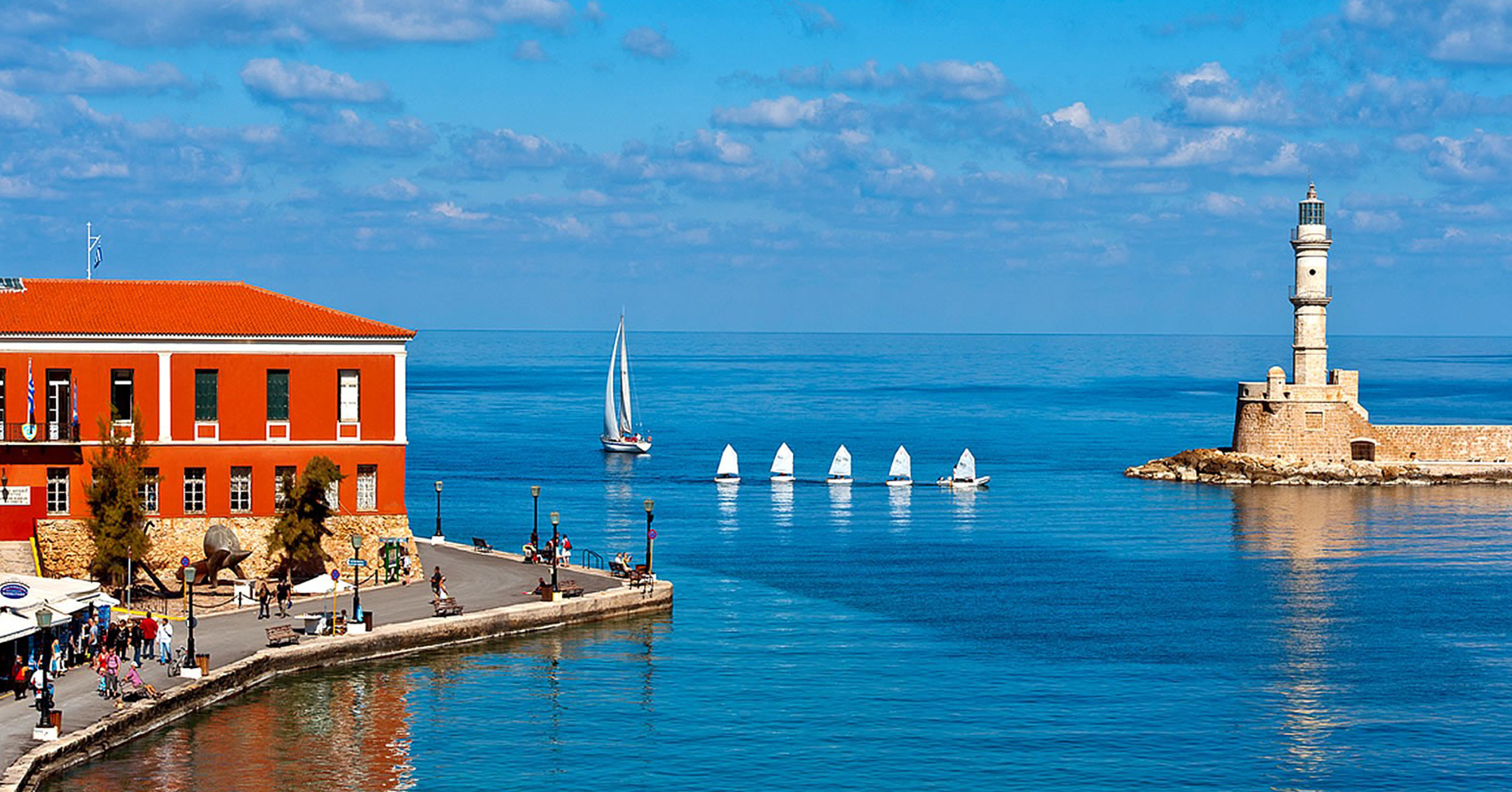
Going to Greece is not just the fulfillment of a dream vacation. Once you visit you'll realize that you belong there. It's like going back home.

There’s something magnetic about Crete. As the largest island in Greece, it offers a travel experience that feels like several destinations in one. From pink-sand beaches and Venetian harbours to rugged mountains and ancient landmarks like Knossos Palace, Crete blends history, culture, food, and natural beauty in a way few Mediterranean destinations can match.

Known as one of the most captivating islands in the Mediterranean, Crete appeals to every type of traveler with its diverse landscapes, rich heritage, and world-famous cuisine. Whether you’re planning your first visit or returning for a deeper exploration, Crete delivers the perfect mix of relaxation, adventure, and cultural discovery, making it a must-visit destination for any Greece travel itinerary.
Best Time to Visit Crete

Crete is a year-round destination, but your experience will vary dramatically depending on when you go.

Late Spring (May – June) is often considered the sweet spot. The weather is warm but not scorching, wildflowers blanket the countryside, and popular towns like Chania and Rethymno feel lively without being overcrowded. It’s perfect for exploring beaches, enjoying the warm Cretan hospitality and amazing Greek food in local tavernas and restaurants, and hiking gorges like Samaria.

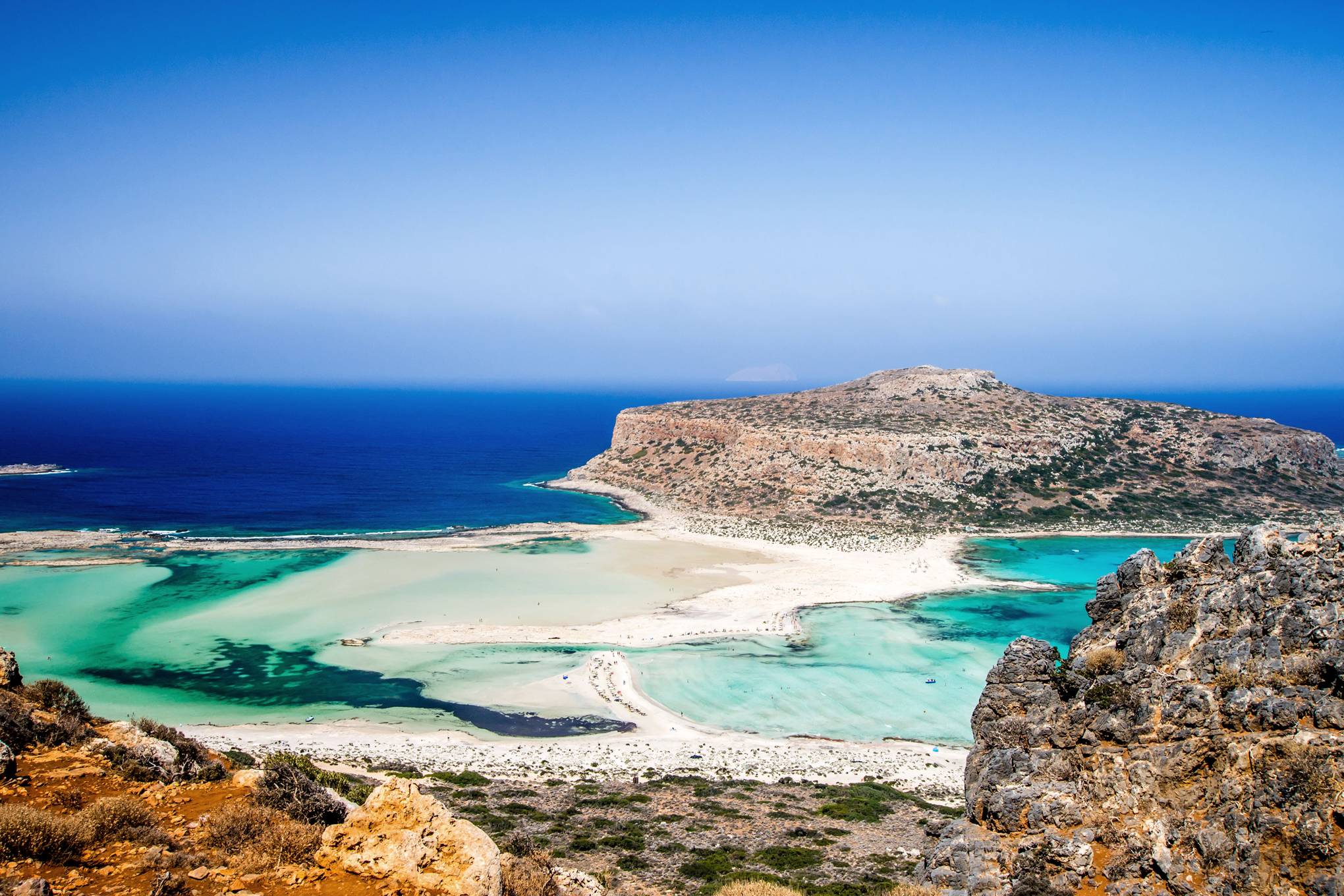
Summer (July – August) is peak season. Expect hot temperatures (often above 30°C), buzzing nightlife, and packed beaches, especially in hotspots like Elafonisi Beach, Falassarna,and Balos Lagoon. If you thrive in high-energy environments, this is your time.

Early Fall (September – October) is a favourite among repeat travellers. The sea is still warm, crowds thin out, and the island slows to a more relaxed pace. It’s arguably the best time for a balanced trip.

Winter (November – March) is quieter and more local. While beach weather disappears, you’ll gain a deeper cultural experience, especially in cities like Heraklion. Some tourist services may close, but prices drop significantly.

Balos Lagoon, Crete, Greece

Crete: Budget tips

Crete can be surprisingly affordable – or indulgently luxurious – depending on how you travel. Here’s how to stretch your budget without sacrificing experience:

Stay Smart
with Locations Accommodation prices vary widely. Popular areas like the Chania old town are stunning but pricier, while inland villages or less touristy towns offer better value and authentic charm.

Eat like a local, skip tourist-heavy restaurants and look for small tavernas. Ordering local dishes like dakos, souvlaki, antikrysto, Greek salad, or fresh seafood is not only cheaper but far more delicious. Bonus: all taverns and restaurants offer complimentary desserts and/or raki!

Travel shoulder season. Visiting in May, June, or September can cut accommodation costs significantly while still offering excellent weather.

Rent a Car. If you’re traveling in a group, splitting a rental car can be more economical than relying on taxis – especially for reaching remote beaches and mountain villages. A car will give you the freedom to go anywhere, at any time, and as often as you like.

Mix free and paid attractions. While sites like Knossos or museums have entry fees, many of Crete’s best experiences like beaches, hikes, and village wandering, are all completely free!

Crete: Transportation options (ferries and flights)

Getting to and around Crete is part of the adventure, and you’ve got options!

Flights

The fastest way to reach Crete is by air. Direct international flights operate during peak season, but many routes connect through Athens.

  • Flight time from Athens: 45-55 minutes
  • Main airports: Heraklion (central/east Crete) and Chania (west Crete)

Flights are frequent and affordable if booked early, making them ideal for shorter trips.

Ferries

For a more scenic (and classic Greek) experience, ferries connect Crete with Athens and other islands.

  • Main route: Athens (Piraeus port) to Heraklion or Chania
  • Travel time: 8–9 hours (overnight ferries are popular)

Ferries are a great option if you want to bring a car or simply enjoy the journey across the Aegean Sea.

Getting Around Crete

Once on the island, distances can be deceptive. Crete is big!

  • Car rentals: The best way to explore freely, especially for reaching hidden gems.
  • Buses: Reliable and budget-friendly, connecting major towns like Heraklion, Chania, Rethymno, and Agios Nikolaos, and also favourite beach or ancient ruin destination. The local and regional bus services in Crete are run by regional collectives known as KTEL. You can book your tickets or check their timetables and services here: KTEL Crete
  • Taxis: Convenient and relatively inexpensive for short trips. If you’re planning to travel long distances rent a car or use the bus service.
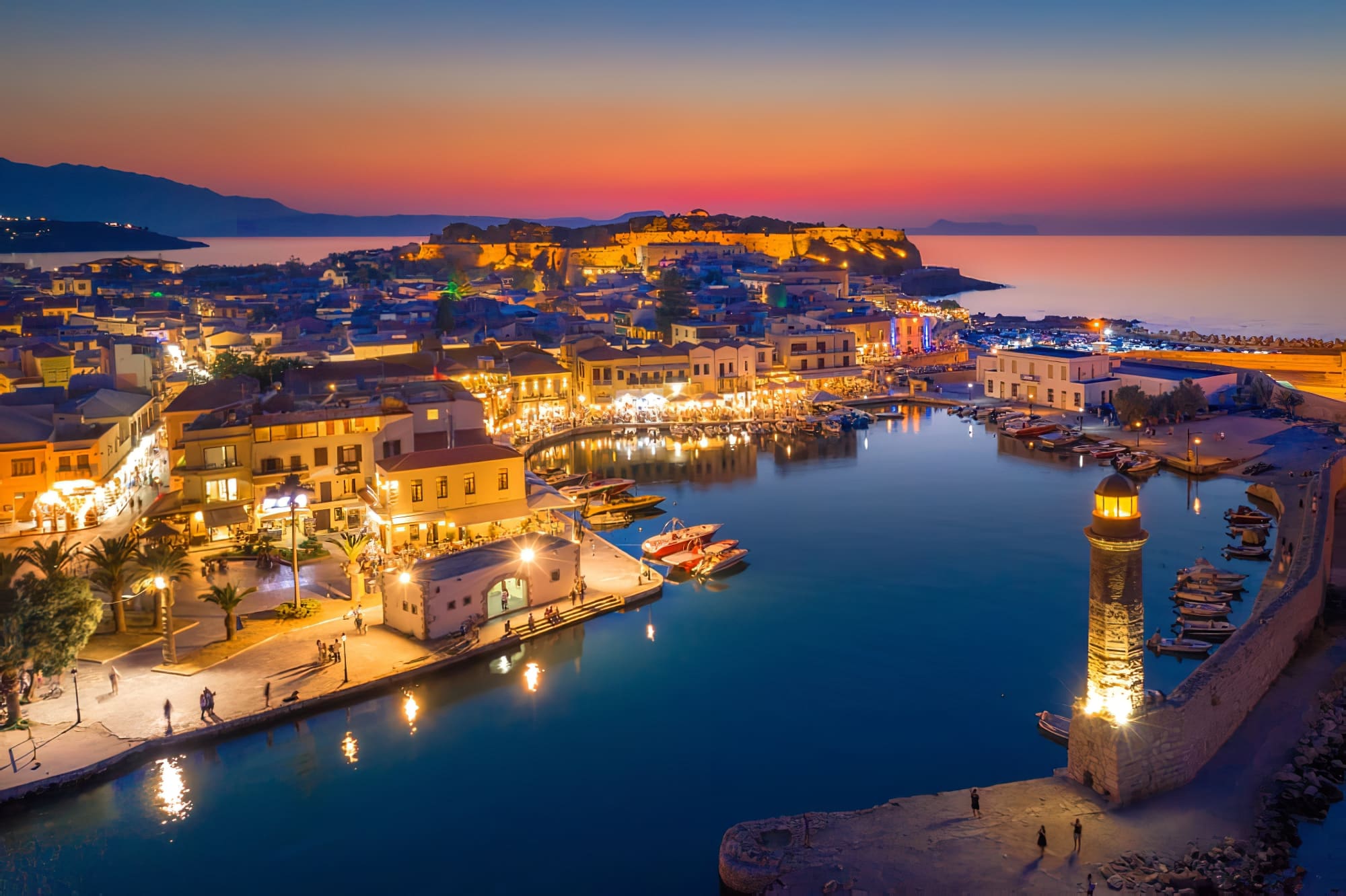
Rethymno, Crete, Greece

Entry requirements

For most international travellers, visiting Crete is straightforward since it’s part of Greece and the Schengen Zone.

  • EU/EEA travellers: No visa required—just bring a valid ID or passport.
  • Visitors from countries like Canada, the U.S., the U.K., and Australia: You can stay visa-free for up to 90 days within a 180-day period.
  • Passport validity: Make sure your passport is valid for at least three months beyond your planned departure date.

Flights typically arrive via Athens into Crete’s main airports, including Heraklion International Airport and Chania International Airport. During the summer there are many direct charter flights from several European airports directly to Heraklion or Chania.

Pro tip: Keep an eye on upcoming ETIAS requirements (expected for many non-EU travellers), which may require a quick online authorization before arrival.

Why Crete should be on every Greece travel itinerary?

Crete is more than just a stop on a map. It’s a destination that reveals itself layer by layer. One day you’re wandering the Venetian alleys of Chania, the next you’re swimming in crystal-clear waters in Elafonisi, or standing among the ancient ruins of Knossos Palace. Every moment feels distinct, yet seamlessly connected by Crete’s rich culture, history, and natural beauty.

What makes Crete truly unforgettable isn’t just what you see, it’s how it stays with you. Long after you leave, it lingers in the flavours, the landscapes, the people, the hospitality, and the feeling that you’ve only just scratched the surface. For first-time visitors, it leaves a lasting impression; for those who return, it offers something new every time, quietly proving that Crete isn’t just a place you visit, but one you keep coming back to.

Questions about
traveling to Greece?

Join our community!